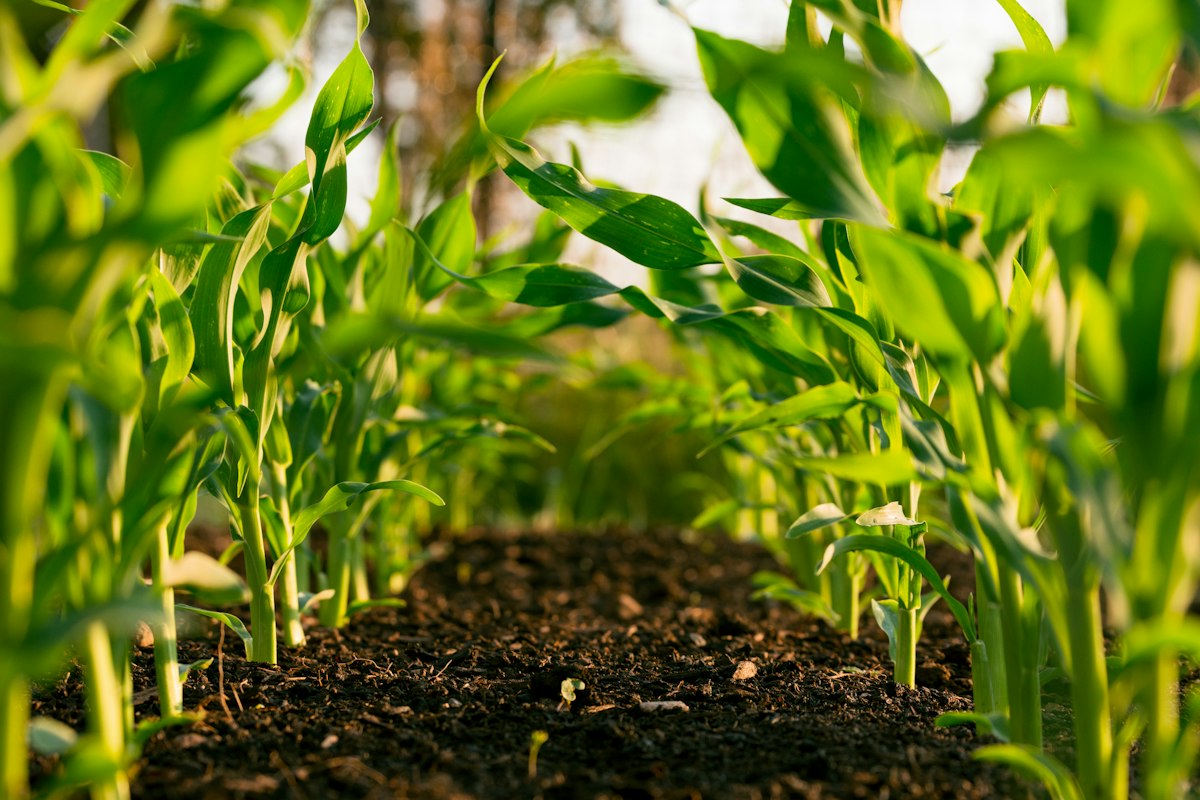
Agriculture faces unprecedented challenges: feeding a growing global population while dealing with climate change, water scarcity, and labor shortages. AI is emerging as a critical solution, enabling precision farming that optimizes resource use, increases yields, and reduces environmental impact. The transformation is happening now, and it's reshaping how we grow food.
Precision Farming with AI
Precision farming uses AI to make data-driven decisions at the field level. Instead of treating entire fields uniformly, AI analyzes soil conditions, weather patterns, and crop health to optimize inputs for each specific area. This reduces waste, increases yields, and minimizes environmental impact.
Drones equipped with multispectral cameras capture detailed field imagery. AI algorithms analyze these images to identify areas needing attention: nutrient deficiencies, pest infestations, or water stress. Farmers receive actionable recommendations, often delivered through mobile apps that integrate with farm management systems.
Agriculture AI Applications:
- Crop Monitoring: Drone imagery, satellite data, disease detection
- Irrigation: Smart watering systems, soil moisture sensors
- Yield Prediction: Harvest forecasting, crop planning
- Automated Machinery: Self-driving tractors, robotic harvesters
Crop Health Monitoring
AI-powered crop monitoring systems analyze images from drones, satellites, and ground sensors to detect problems early. Computer vision algorithms identify diseases, pests, and nutrient deficiencies before they become visible to the human eye. This early detection enables targeted interventions, reducing crop loss and chemical use.
Some systems use hyperspectral imaging to detect plant stress before visible symptoms appear. AI models trained on thousands of crop images can identify specific diseases and recommend treatment options. This precision reduces unnecessary pesticide applications, saving costs and protecting the environment.
Automated Decision-Making
AI systems integrate data from multiple sources—weather forecasts, soil sensors, market prices, and historical yields—to recommend optimal planting times, crop varieties, and management practices. These recommendations consider both immediate conditions and long-term sustainability goals.
Some farms use AI to optimize irrigation schedules, applying water only when and where needed. This can reduce water usage by 20-30% while maintaining or improving yields. The systems learn from outcomes, continuously improving recommendations based on what works best for specific fields and conditions.
The Future of Farming
AI is enabling a shift from reactive to predictive farming. Instead of responding to problems after they occur, farmers can anticipate issues and take preventive action. This proactive approach increases efficiency and reduces risks.
The most successful implementations combine AI insights with farmer expertise. AI handles data analysis and pattern recognition, while farmers provide domain knowledge and make final decisions. This human-AI collaboration delivers better outcomes than either could achieve alone.
Key Takeaways
- • Precision farming optimizes resource use and increases yields
- • AI-powered monitoring detects problems early
- • Automated systems reduce labor needs
- • Data-driven decisions improve sustainability
- • Human-AI collaboration delivers best results